Lead Generation
- Home
- Lead Generation
Understanding Lead Generation
Lead generation is the process of attracting and converting strangers or potential customers into individuals who express interest in a company’s product or service. These individuals, called “leads,” provide their information—often through a website form, social media post, or advertisement—in exchange for something valuable, such as a free consultation, eBook, or demo.
Businesses use lead generation services to strategically capture, nurture, and qualify leads before handing them over to the sales team. It bridges the marketing and sales gap by using various digital and offline channels.
Types of leads:
Marketing Qualified Leads (MQLs): Interested but not ready to buy.
Sales Qualified Leads (SQLs): Show buying intent and are ready for direct contact.
Information Qualified Leads (IQLs): In early research stages.
Components of a Lead Generation System
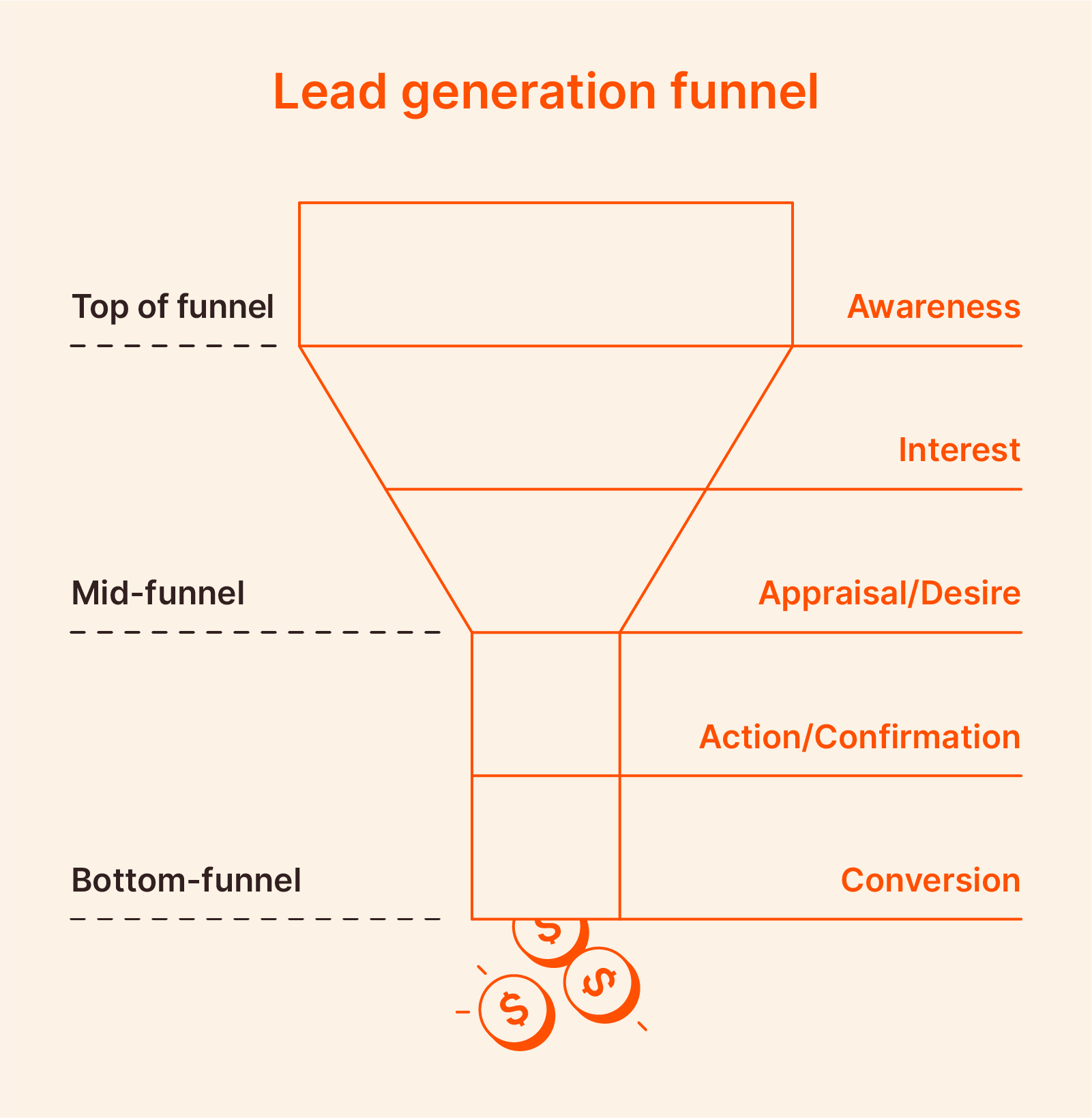
A lead generation service relies on several interconnected systems that work together to attract, capture, and nurture leads until conversion.
Key components:
Traffic Acquisition: Using SEO, PPC, social media, and ads to attract visitors.
Lead Capture: Deploying forms, chatbots, or landing pages to collect contact data.
Lead Magnets: Offering incentives such as free guides, webinars, or trials.
CRM Integration: Storing and tracking leads in Customer Relationship Management tools.
Lead Nurturing: Using automated email sequences or remarketing campaigns to re-engage prospects.
Digital Channels Used for Lead Generation
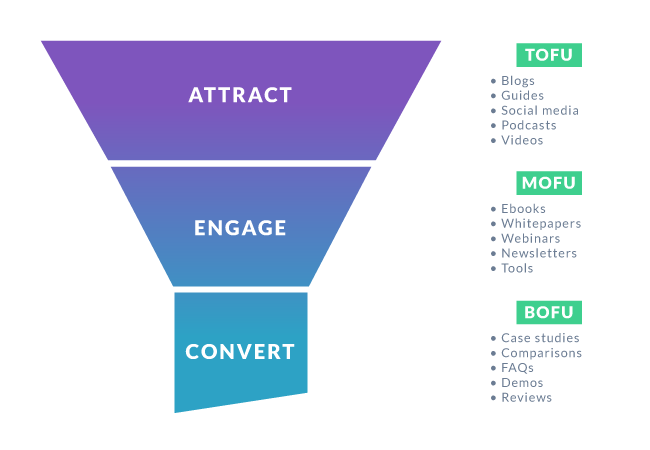
Modern lead generation services combine multiple digital touchpoints to maximize reach and conversion.
Major channels include:
Search Engine Optimization (SEO): Organic traffic from Google searches based on relevant keywords.
Pay-Per-Click (PPC) Advertising: Paid ads on search engines or social media targeting high-intent audiences.
Social Media Marketing: Platforms like LinkedIn, Facebook, and Instagram generate leads via content and messaging campaigns.
Content Marketing: Blog posts, eBooks, and webinars educate users and encourage contact exchange.
Email Marketing: Personalized drip campaigns keep prospects engaged.
Retargeting: Ads targeting users who previously visited your site but didn’t convert.
Conversion Rate by Channel Example:
| Channel | Average Conversion Rate | Example Use Case |
|---|---|---|
| SEO (Organic) | 14% | Blog posts, landing pages |
| PPC (Paid Search) | 10% | Google Ads, LinkedIn Ads |
| Social Media | 7% | Facebook Lead Forms, reels |
| Email Marketing | 9% | Automated sequences |
| Referral Campaigns | 11% | Incentivized user referrals |
This demonstrates that multi-channel strategies deliver the best results when properly aligned.
Lead Qualification and Scoring
Once leads enter the system, they must be assessed for quality and readiness to buy. Lead scoring uses a points-based system to prioritize contacts.
Key factors in scoring:
Demographics: Job title, company size, location.
Behavior: Pages visited, content downloaded, time spent.
Engagement: Email opens, responses, or repeat visits.
Fit: How closely they match the ideal customer profile.
Scoring Example:
| Action | Points |
|---|---|
| Opened email | +5 |
| Clicked product demo link | +10 |
| Downloaded whitepaper | +15 |
| Booked a consultation call | +25 |
| Unsubscribed from list | -10 |
When a lead reaches a predetermined score (say 60 points), it becomes “sales-ready” and moves to the sales department for follow-up.
Lead Nurturing and Conversion
Not every lead is ready to purchase immediately. Consistent communication helps move prospects toward trust and action.
Effective nurturing tactics:
Segmentation: Customize communication based on behavior and interest.
Automated Email Workflows: Send relevant content at predefined intervals.
Personalization: Address the lead’s problem and show solutions.
Case Studies and Social Proof: Demonstrate outcomes through client results.
Follow-up Optimization: Schedule calls or meetings with well-timed reminders.
Example Process:
A user downloads a guide (MQL), receives a thank-you email, later an educational email, and then a demo offer based on engagement.
Nurturing Timeline Example:
| Day | Action Taken | Objective |
|---|---|---|
| 1 | Thank-you email | Acknowledgment |
| 3 | Educational blog link | Build authority |
| 7 | Case study email | Establish trust |
| 10 | Demo invitation | Move toward sales conversion |