Demand Generation
- Home
- Demand Generation
Understanding Demand Generation
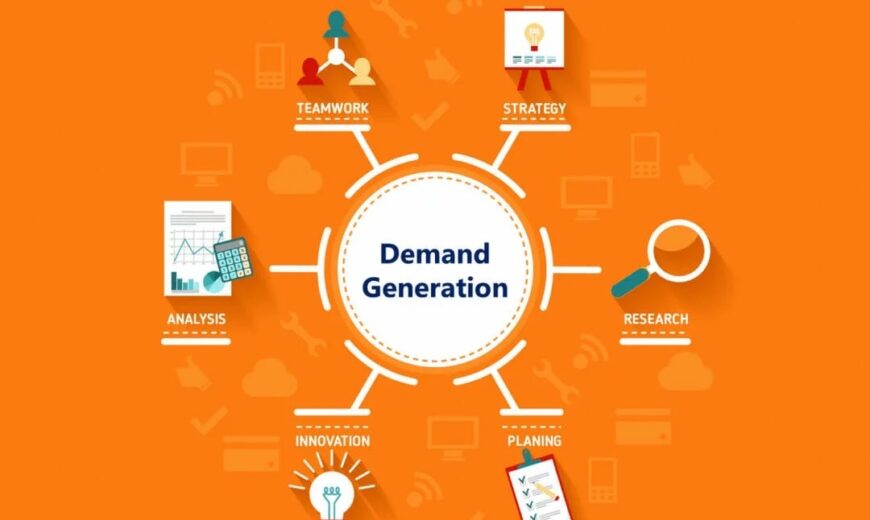
Demand generation is a strategic marketing process designed to create awareness and interest in a company’s products or services through targeted campaigns and value-driven content. Unlike lead generation, which focuses on capturing contact information, demand generation builds a long-term relationship by educating potential customers and nurturing them throughout the buying journey.
The goal is not just to acquire leads but to increase the overall demand for what a business offers. It aligns marketing, sales, and customer success teams to create consistent engagement from awareness to purchase and beyond.![B2B Demand Generation Explained [Definition & Strategies]](https://www.blendb2b.com/hs-fs/hubfs/Demand%20Generation/Demand%20Gen%20Pillar%20Page/Demand%20Generation%20Funnel%20(2).jpg?width=1372&height=646&name=Demand%20Generation%20Funnel%20(2).jpg)
Core Components of Demand Generation
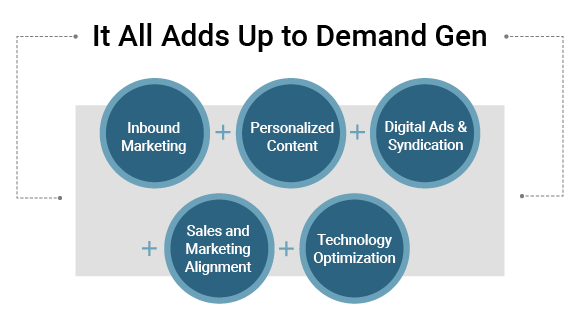
A successful demand generation strategy integrates multiple touchpoints and data-driven marketing techniques to influence customers’ buying decisions. It operates across both inbound and outbound marketing channels.
Key components include:
Content Marketing: Creating educational blogs, whitepapers, and videos that build trust and authority.
Account-Based Marketing (ABM): Custom campaigns for high-value target accounts.
Search Engine and Social Media Advertising: Running awareness campaigns to drive qualified traffic.
Email and Marketing Automation: Nurturing prospects over time with automated, personalized messages.
Webinars and Events: Showcasing thought leadership and providing direct engagement opportunities.
Demand Generation vs. Lead Generation
Although both aim to grow sales pipelines, their focus and approach differ.
Comparison Table:
| Aspect | Demand Generation | Lead Generation |
|---|---|---|
| Primary Goal | Create brand awareness and interest | Capture contact details and convert leads |
| Approach Type | Long-term relationship building | Immediate conversion focus |
| Content Type | Educational, value-rich, storytelling | Gated content, offers, forms |
| Success Metric | Engagement, brand lift, pipeline growth | Number of leads or sign-ups |
| Buyer Stage Targeted | Early to mid-funnel | Mid to late-funnel |
Measuring Performance and Analytics
Demand generation success relies heavily on analytics to understand how different tactics contribute to awareness and sales pipeline growth.
Key metrics to track:
Website Traffic Growth: Indicates rising awareness.
Engagement Rate: Measures content relevance through clicks, views, and shares.
Conversion Rate: Tracks how many engaged prospects move toward becoming leads.
Pipeline Velocity: How quickly prospects move from awareness to deal closure.
Customer Lifetime Value (CLTV): Evaluates long-term revenue impact.
Awareness (Traffic ↑)
↓
Engagement (Interactions ↑)
↓
Conversion (Leads ↑)
↓
Revenue (Sales ↑)
↓
Retention (CLTV ↑) Benefits and ROI of Demand Generation Services
Engaging a professional demand generation service produces measurable growth and ensures consistent brand presence across multiple platforms. It aligns marketing and sales to drive steady revenue flow.
Key benefits include:
-
Brand Visibility: Creates continuous awareness among target audiences.
-
Audience Trust: Builds credibility through thought leadership content.
-
Sales Alignment: Ensures marketing efforts directly support revenue objectives.
-
Predictable Pipeline: Generates qualified leads at a sustainable rate.
-
Long-Term ROI: Increases customer lifetime value through relationship-building strategies.
Each upward arrow represents cumulative growth driven by strong brand storytelling, educational marketing, and data-backed decision-making.